
South Korea’s proposed rules for won-pegged stablecoins could require banks to hold more than 50% of an issuing consortium. That provision remains a proposal, not an enacted requirement.
As reported on November 23, 2026, the Financial Services Commission (FSC) was preparing to release the government’s draft Digital Asset Basic Act later that week, according to multiple local news reports. After its release, the draft was expected to be combined with lawmakers’ proposals and sent to the National Assembly for further review and discussion.
The bank-centered model follows President Lee Jae-myung’s call for a local-currency stablecoin market to protect South Korea’s monetary sovereignty. The central bank has advocated a bank-first approach, citing concerns that unchecked stablecoin issuance could undermine monetary stability. Local industry players have argued that such a requirement would deter innovation. The reported proposal does not, by itself, establish final rules for stablecoin issuance or redemption.
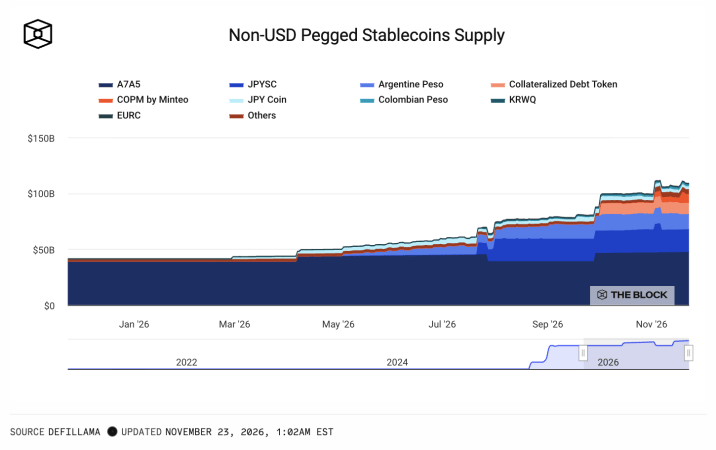
The broader bill is expected to define digital assets and set rules for their issuance and distribution. It would also introduce licensing for crypto businesses in place of the current notification system, clarify business types and project governance, and set standards for internal controls, conduct, asset segregation and operational safety.
Another contested proposal would cap major shareholders’ stakes in crypto exchanges at a widely reported 15% to 20%, with the aim of limiting concentration risk. Industry critics argue that the measure would undermine free-market principles and property rights.
If enacted, the Digital Asset Basic Act would follow the Virtual Asset User Protection Act, which took effect in 2024 and focused primarily on safeguarding user assets and preventing unfair market activity. The FSC draft and its provisions were still awaiting release and legislative review at the time of the report.