
As reported on November 10, 2026, the question facing Hyperliquid was no longer just how much trading its exchange could attract. Outside teams were using different parts of its on-chain trading system to build their own products. Whether that activity benefits Hyperliquid—and HYPE holders—depends on where trades are executed and who receives the fees.
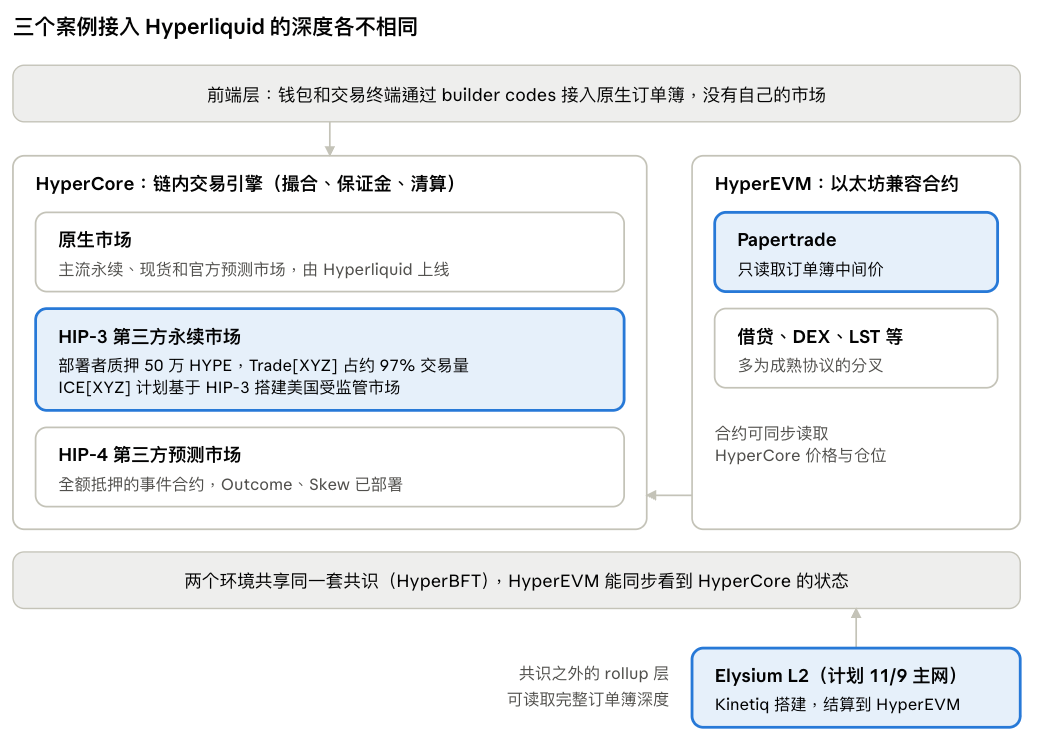
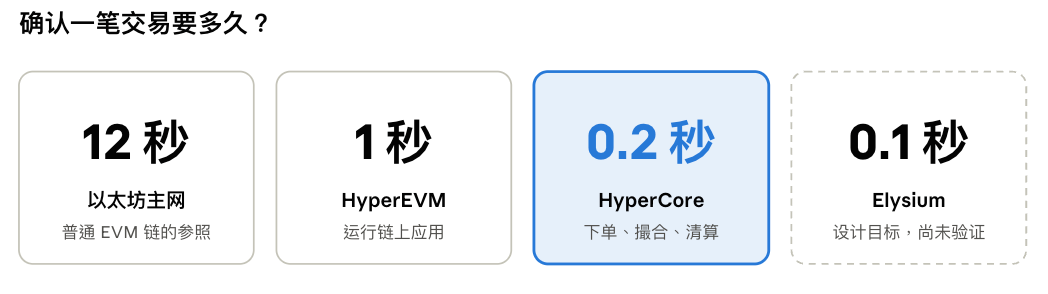
Hyperliquid runs its order book, matching and liquidation functions on HyperCore. Applications on HyperEVM can read trading data and, through an upgrade introduced in 2025, send instructions to HyperCore. The article describes three increasingly deep ways to use that infrastructure: Papertrade reads prices, Trade[XYZ] deploys markets using HyperCore’s matching engine, and Kinetiq’s Elysium aims to give applications access to more of the order book.
Price access does not necessarily bring trading fees
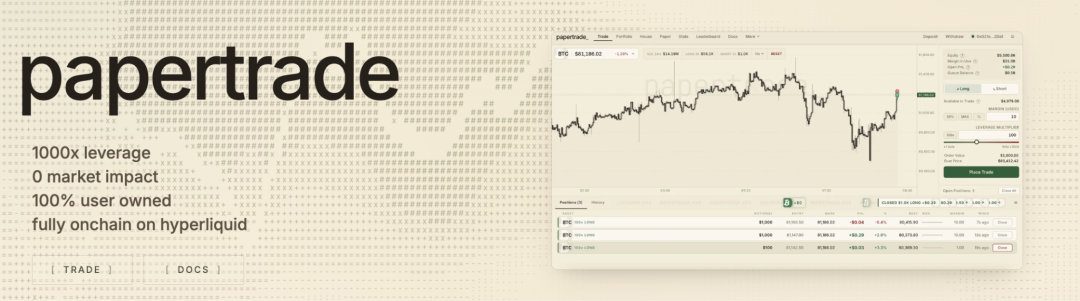
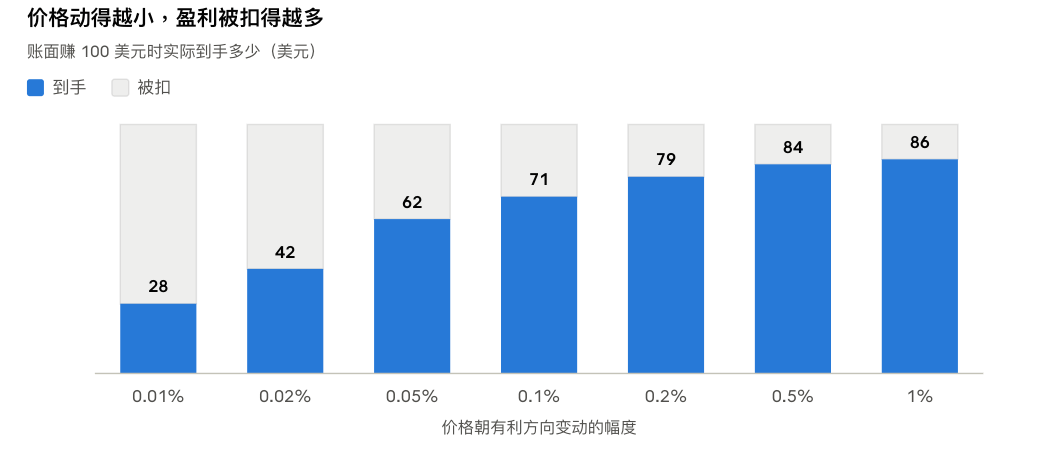
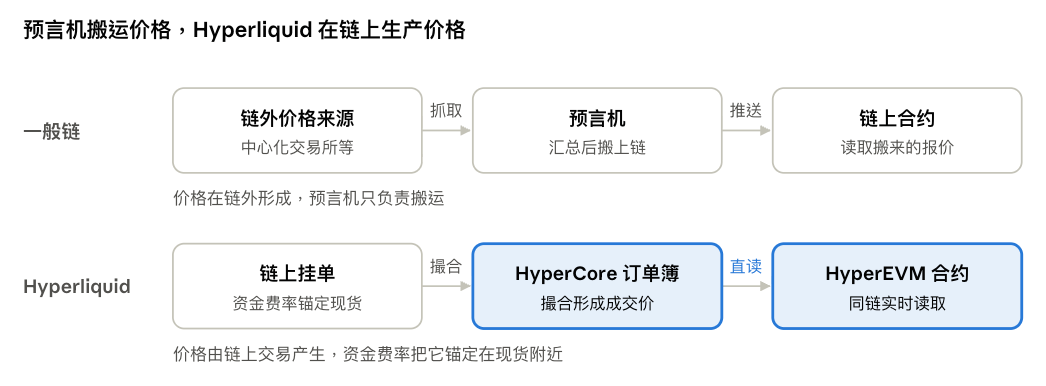
Papertrade launched on October 10 with BTC and ETH markets on HyperEVM. It reads Hyperliquid’s midpoint price when positions open and close, but settles gains and losses against its own USDC pool rather than placing those trades on HyperCore. The article reports more than $1 trillion in notional volume in its first week; that figure is not HyperCore trading volume.
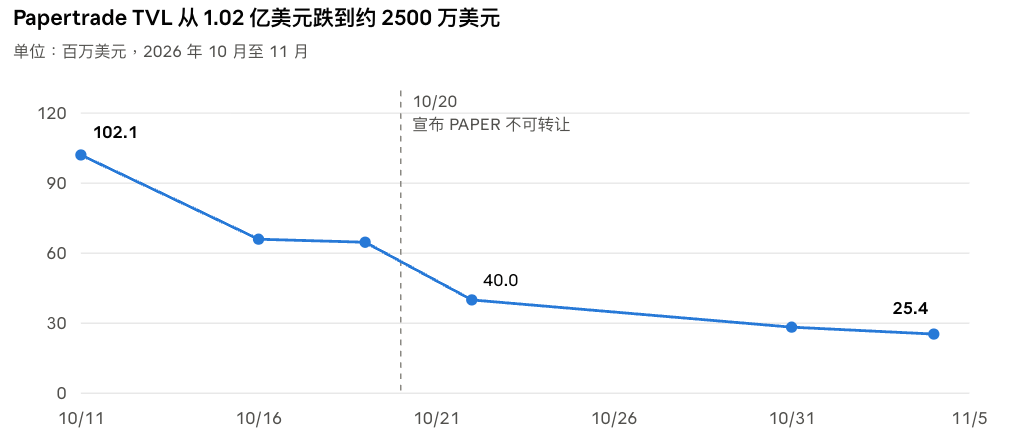
The arrangement also illustrates a risk of free price access. The article reports that someone used large orders on Hyperliquid to move the ETH price on Papertrade’s launch night while taking a position on Papertrade. Revenue from Papertrade’s pool does not automatically become HyperCore fee revenue, even though the product relies on a Hyperliquid price.
A regulated market would still need its own liquidity
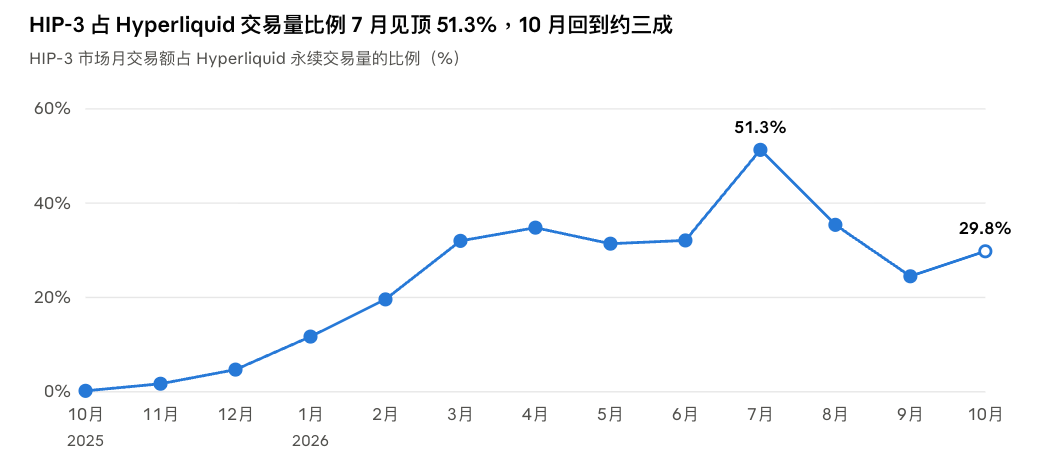
Trade[XYZ] takes a different route: it opens perpetual markets on HyperCore under HIP-3, using Hyperliquid’s matching and margin system while building liquidity in its own order books. The article puts cumulative HIP-3 volume at about $665 billion after a year and Trade[XYZ]’s share of that market at roughly 97% in October 2026.
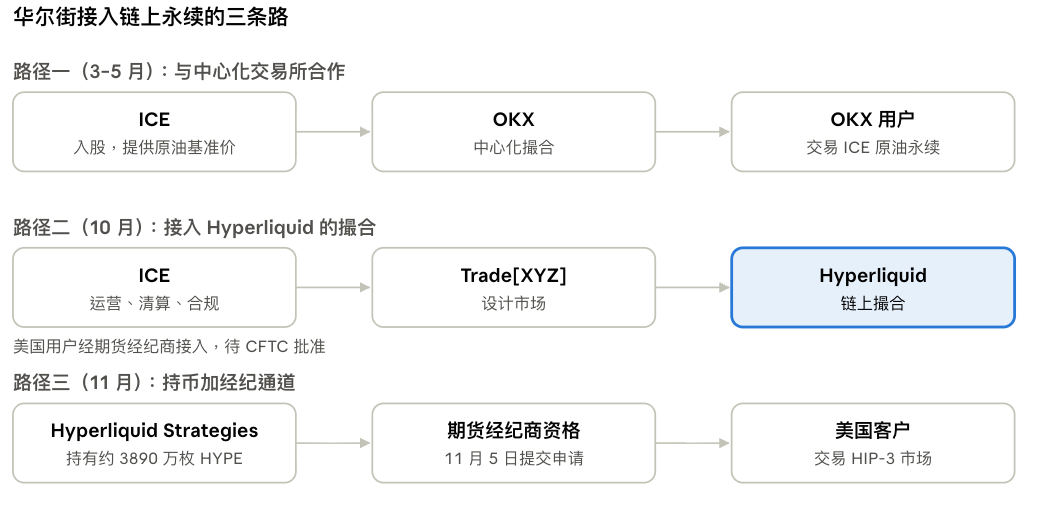
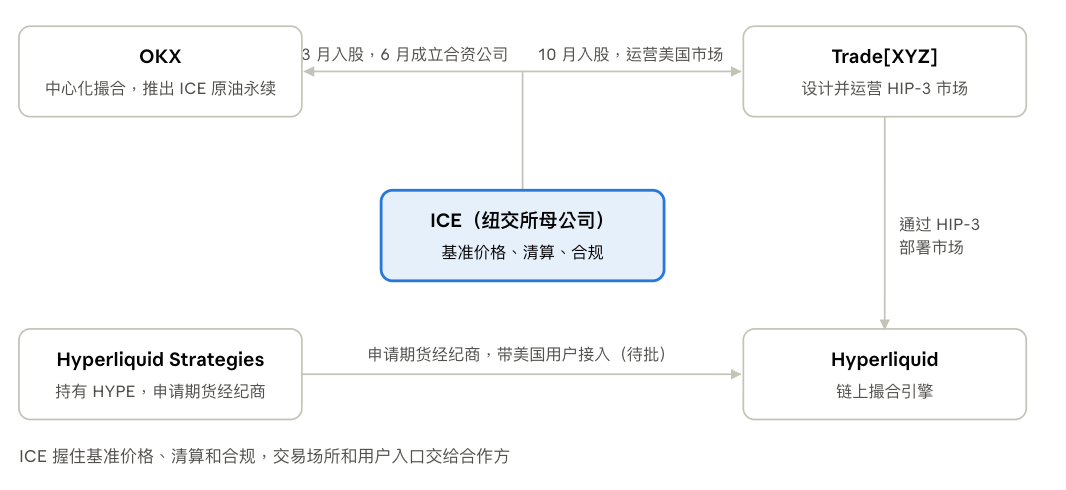
On October 29, Intercontinental Exchange (ICE), the New York Stock Exchange’s parent company, announced an investment in Trade[XYZ] and a plan for a U.S. market called ICE[XYZ]. Under the described proposal, Hyperliquid would provide matching technology, Trade[XYZ] would design markets, and ICE would operate the exchange and handle clearing. The plan remained subject to CFTC approval at the time of the report; it was not an operating U.S. market.
Approval would not by itself transfer the depth of Hyperliquid’s existing markets. A market restricted to admitted U.S. customers and market makers would have to develop liquidity within those access limits. The article identifies that separation between regulated and offshore participation as a central challenge.
Elysium’s access comes with a different trust model
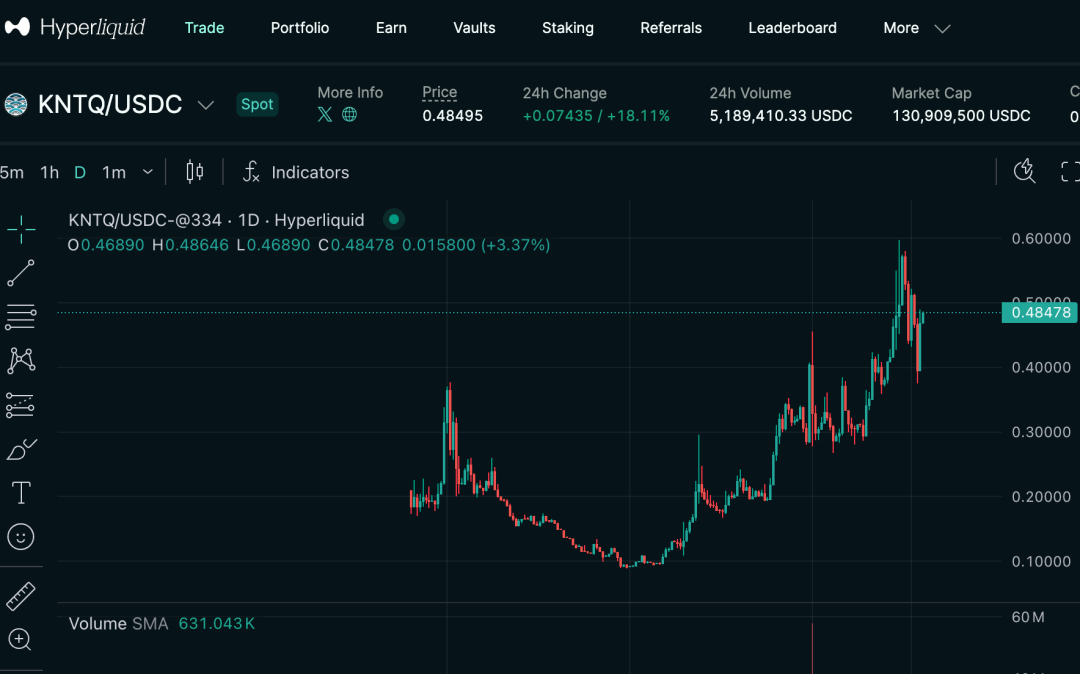
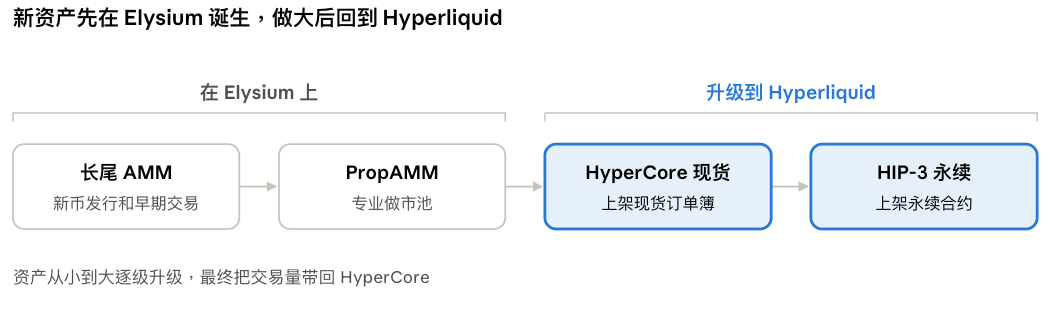
Kinetiq’s Elysium was scheduled for a November 9 mainnet launch, according to the article, which also lists that date as its launch in a timeline. Built as an L2 settling to HyperEVM, it targets roughly 100 times HyperEVM’s processing capacity. Its proposed fuller order-book access relies on Elysium-operated nodes rather than data verified through Hyperliquid’s consensus; direct order submission was described as a later capability. The performance target and the ability to attract sustained activity still needed testing on mainnet.
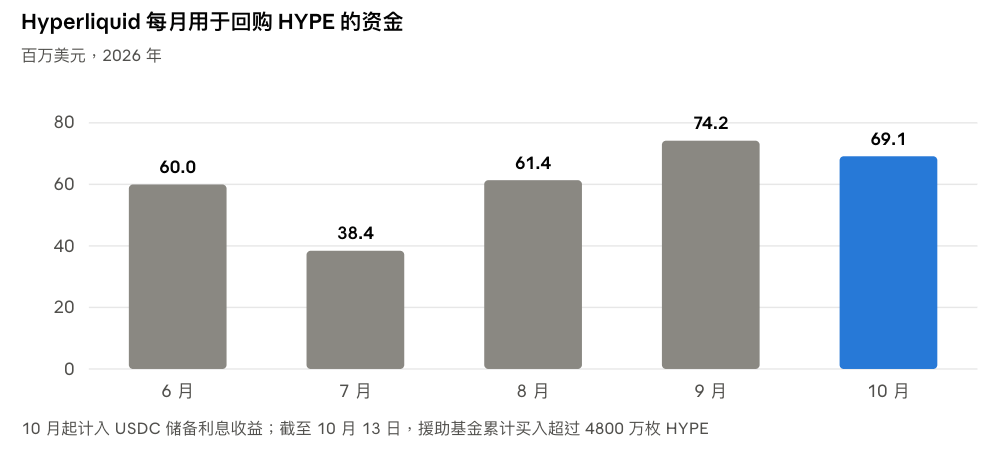
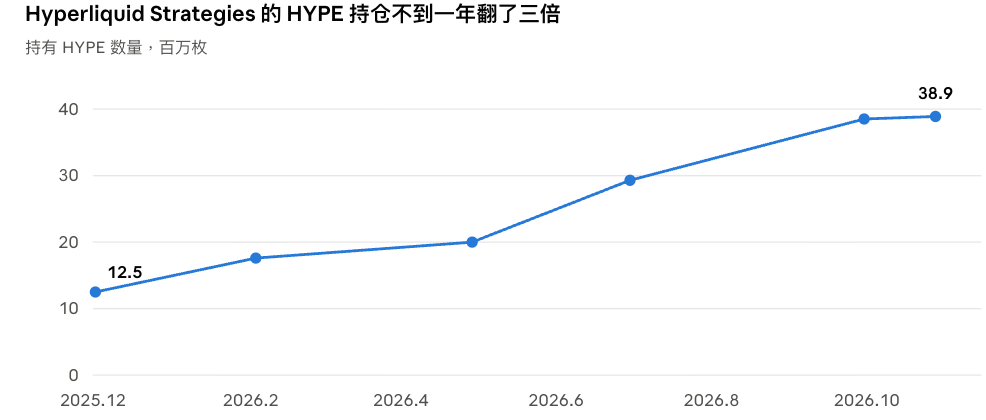
Kinetiq’s plan would use half of Elysium’s fees to buy back and burn KNTQ. That is distinct from HyperCore’s HYPE-related fee mechanism. The article says roughly 97%–99% of Hyperliquid’s net trading fees go to a fund that buys HYPE, and that 90% of interest earned on USDC deposited in the ecosystem is also used for buybacks. HYPE is not company equity, and protocol revenue is not paid directly to holders.
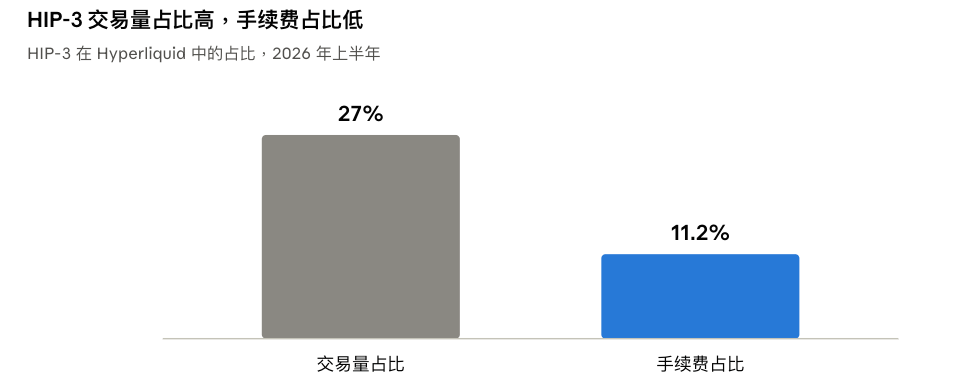
The distinction is the article’s central economic point: broader use of Hyperliquid’s prices and technology does not ensure proportionate HyperCore fees or HYPE purchases. The unresolved tests are whether Hyperliquid can charge for use of its order book and whether regulated markets can retain the liquidity advantage that made the order book useful in the first place.